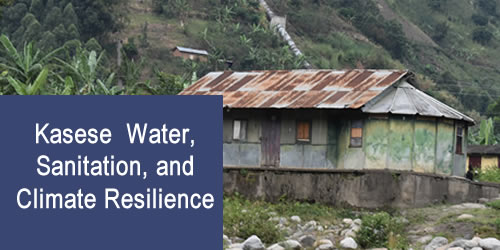
Kasese Water, Sanitation, and Climate Resilience
Kasese District faces persistent climate-related challenges driven largely by flooding from Rivers Nyamwamba, Sebwe, and Mubuku, which originate from the Rwenzori Mountains. These rivers have repeatedly displaced communities, destroyed homes, schools, health facilities, and damaged critical infrastructure. Notably, facilities such as Kilembe Mines Hospital and several schools, including Road Barrier Primary School, have been severely affected.
Access to safe and clean water remains one of the most urgent challenges in Kasese. Many households rely on river water for domestic use and for livestock, exposing communities to health risks and waterborne diseases. Climate change impacts, coupled with increased human settlement along riverbanks and upstream environmental degradation, have further worsened water quality, availability, and sanitation conditions.
CHART-CR interventions in Kasese focus on improving access to safe water, strengthening sanitation practices, promoting sustainable water management, and enhancing community preparedness for flooding. The project also supports awareness-building, community-led solutions, and climate-resilient infrastructure to reduce vulnerability and improve public health outcomes.
Kasese District Thematic Themes
These thematic areas address water access, sanitation, and climate-related risks affecting vulnerable communities in Kasese District
-
✔ Theme 1: Climate Change Experience
- Changes in rainfall patterns, including delayed, irregular, or heavy rains
- Increased occurrence of floods and prolonged droughts
- Impacts of climate change on water sources and toilet facilities
- Differences and similarities in climate-related challenges faced by refugees and host communities
-
✔ Theme 2: Water Access and Availability
- Main sources of water used by the community
- Seasonal availability and adequacy of water
- Effects of floods and droughts on water sources
- Challenges arising from shared water sources between refugees and host communities
-
✔ Theme 3: Sanitation and Hygiene
- Types of sanitation facilities used in the community
- Effects of floods and heavy rains on toilets and latrines
- Hygiene practices during periods of water scarcity
- Common health problems linked to poor sanitation during extreme weather
-
✔ Theme 4: Coping and Resilience
- Household coping strategies during water shortages
- Community actions to protect water sources and sanitation facilities
- Effective and ineffective coping mechanisms
-
✔ Theme 5: Gender and Vulnerable Groups
- Impacts of WASH challenges on women, children, the elderly, and persons with disabilities
- Safety, privacy, and dignity concerns for women and girls
- Participation of vulnerable groups in water and sanitation decision-making
-
✔ Theme 6: Support and Future Solutions
- Support received from government and NGOs for water and sanitation
- Effectiveness of existing support in addressing climate challenges
- Community suggestions for improving climate-resilient WASH services
Our Goal